

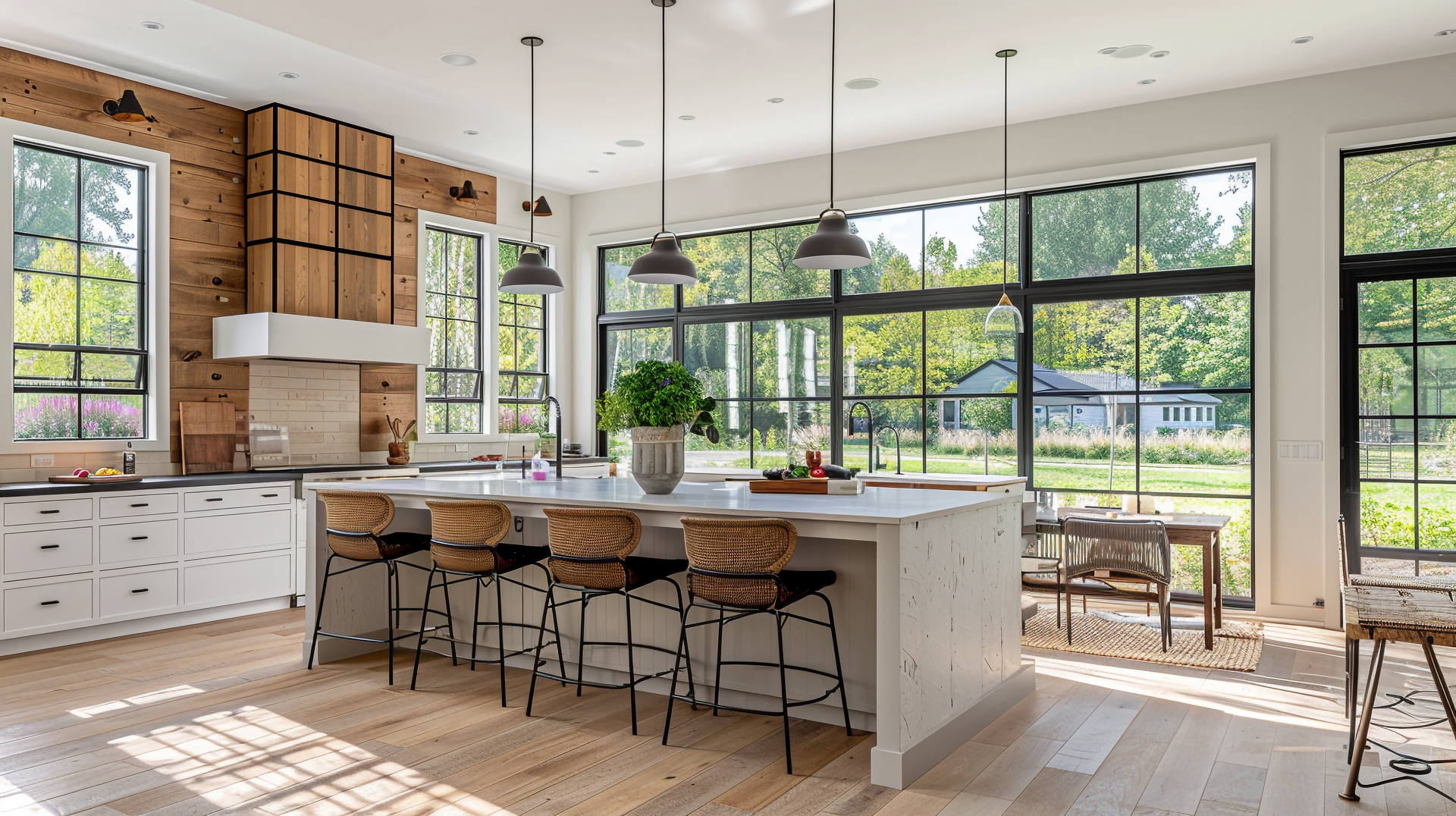
Hardwood floors have long been associated with warmth, character, and timeless appeal. Traditionally reserved for living rooms, dining rooms, and bedrooms, hardwood has increasingly found its way into kitchens as homeowners seek a more cohesive, high-end look throughout the home. However, kitchens come with unique challenges—moisture, spills, temperature changes, and heavy foot traffic—that make hardwood a debated choice. Understanding both the advantages and limitations of hardwood flooring in kitchens helps set realistic expectations and supports confident design decisions.
Why hardwood in kitchens continues to gain popularity
One of the biggest reasons hardwood flooring is showing up in kitchens is visual continuity. Open-concept floor plans benefit greatly from a single flooring material flowing seamlessly between spaces, and hardwood delivers that uninterrupted look better than most options. The natural grain, rich tones, and subtle variations in wood planks add depth and sophistication that few materials can match.
Hardwood also complements a wide range of kitchen styles. From classic white cabinetry to modern slab-door designs, wood floors provide a grounding element that balances both traditional and contemporary spaces. In many homes, hardwood kitchens feel warmer and more inviting than tile-heavy alternatives.
A closer look at the durability question
A common concern surrounding hardwood in kitchens centers on durability. Kitchens experience more daily activity than most rooms, including dropped utensils, chair movement, and constant foot traffic. While hardwood is a durable material, it is not indestructible.
High-quality hardwood, especially when finished with modern protective coatings, can stand up well to everyday kitchen use. Species selection plays a key role here—harder woods such as oak, maple, or hickory generally perform better in active spaces than softer varieties. Minor scratches and wear often blend into the natural character of wood over time, contributing to a lived-in look rather than detracting from it.
Moisture concerns and how they impact performance
Moisture remains the most significant drawback of hardwood flooring in kitchens. Spills, sink splashes, dishwasher leaks, and humidity fluctuations can cause wood to expand, cup, or warp if not addressed promptly. Unlike tile or vinyl, hardwood does not tolerate standing water.
That said, proper installation and mindful care greatly reduce these risks. Professional installation ensures correct acclimation, expansion spacing, and sealing. Quick cleanup of spills and the use of area rugs near sinks or dishwashers can further protect the floor. While hardwood may not be ideal for homes with frequent water exposure, it performs well in kitchens where maintenance habits are consistent.
Comfort underfoot compared to other kitchen floors
Hardwood offers a noticeable comfort advantage over tile or stone. The slight natural give in wood makes standing for extended periods—common during cooking or entertaining—far more comfortable. Hardwood also stays warmer underfoot, an appealing benefit during cooler months.
For households where the kitchen serves as a central gathering space, this comfort factor often becomes a deciding advantage. Hardwood helps soften the room acoustically as well, reducing echo and noise compared to harder surfaces.
Maintenance expectations worth considering
Maintenance is another factor that deserves careful thought. Hardwood floors require regular sweeping to prevent grit from scratching the surface, along with occasional damp cleaning using wood-safe products. Harsh cleaners and excessive water should always be avoided.
Over the long term, hardwood offers a unique benefit: refinishing. Unlike many flooring options that must be replaced once worn, hardwood can often be sanded and refinished, restoring its appearance and extending its lifespan significantly. This long-term value often offsets the higher initial investment.
Cost considerations and return on investment
Hardwood flooring generally carries a higher upfront cost compared to laminate or vinyl options. Material quality, wood species, and installation complexity all influence pricing. However, hardwood remains one of the most desirable flooring types in real estate, often contributing positively to resale value.
In kitchens, hardwood can elevate the overall perception of the home, particularly when paired with thoughtful cabinetry and lighting choices. For homeowners planning to stay long-term, the balance between cost, longevity, and visual impact often favors hardwood.
Situations where hardwood may not be the best fit
Despite its many advantages, hardwood is not the ideal solution for every kitchen. Homes with frequent moisture issues, heavy commercial-style use, or limited time for maintenance may benefit from alternatives designed to handle water more aggressively. Engineered wood or high-quality luxury vinyl can sometimes deliver a similar look with added resilience.
Evaluating lifestyle, cooking habits, and household activity levels is essential before committing to hardwood in a kitchen environment.
Where kitchen design meets real-world living
Hardwood floors in kitchens offer undeniable beauty, warmth, and design continuity. When installed correctly and cared for consistently, they can perform exceptionally well even in busy homes. At the same time, understanding the material’s sensitivity to moisture and wear ensures expectations remain realistic.
Choosing hardwood for a kitchen is less about following a trend and more about aligning style preferences with everyday living needs. With the right guidance and product selection, hardwood can be both a practical and visually striking choice.
Ready to explore whether hardwood flooring fits the kitchen vision? At Direct Custom Flooring, we proudly serve Tavares, The Villages, Mount Dora, Leesburg, Eustis, and Clermont, FL with a shop-at-home experience designed around comfort and clarity. Our in-house flooring experts bring curated hardwood samples directly to the home, handle installation with care, and stay committed to the project from start to finish. Schedule an in-home consultation to move forward with confidence and results that last.


